


Successful gardens often begin with one essential element: healthy soil. Plants depend on nutrient-rich ground to develop strong roots, vibrant foliage, and abundant blooms. When the soil is properly prepared, it provides the ideal environment for long-term growth and resilience. Organic topsoil plays a valuable role in creating these favorable conditions, helping gardens flourish season after season.
The Importance of Healthy Soil
A productive garden requires more than sunlight and water. Soil serves as the foundation that supports every stage of plant development. High-quality topsoil contains natural organic matter that improves fertility, enhances structure, and encourages beneficial biological activity.
Key advantages of healthy soil include:
- Better root establishment
- Improved nutrient availability
- Enhanced moisture retention
- Stronger plant growth
- Greater resistance to environmental stress
- Increased microbial activity
- Improved soil texture
- Consistent growing conditions
These benefits contribute to healthier plants and more attractive garden spaces.
Supporting Strong Root Development
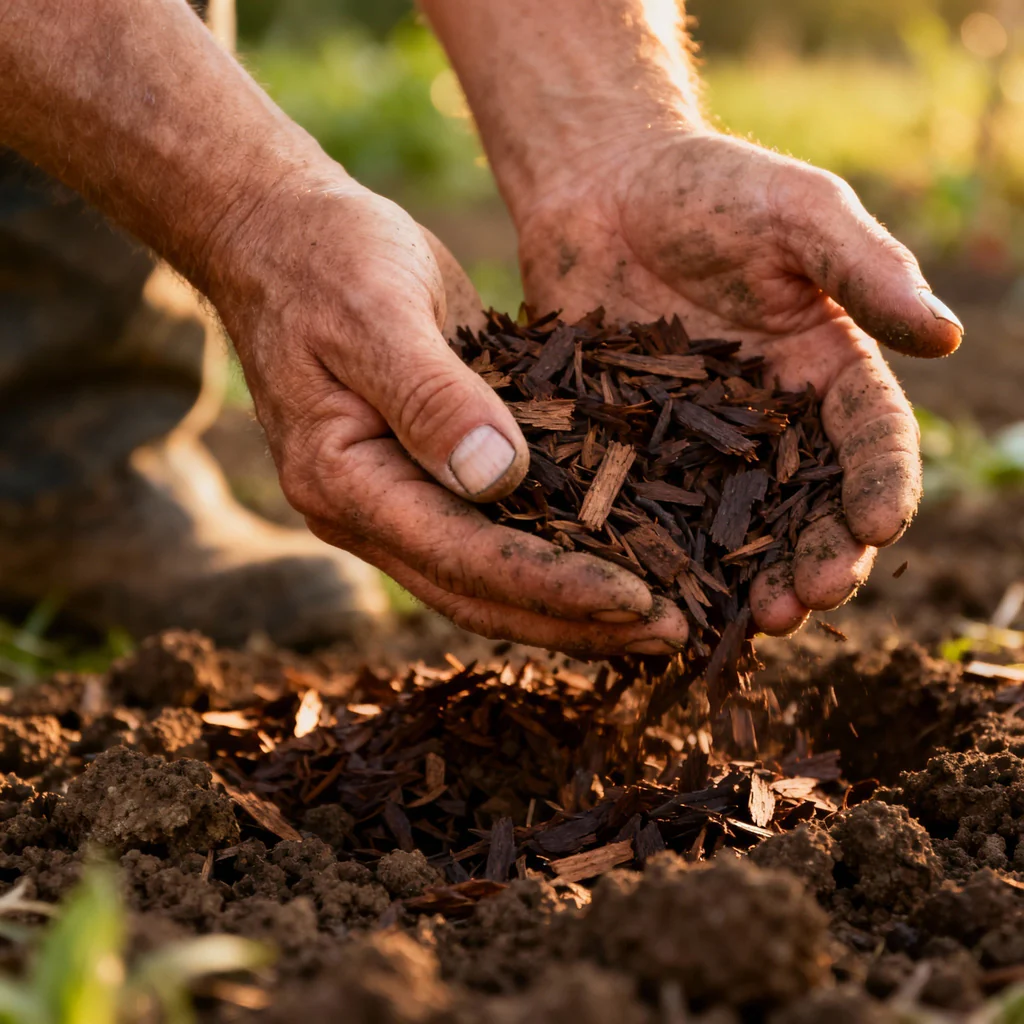
Roots are responsible for absorbing water and nutrients from the ground. When soil is loose, fertile, and well-balanced, roots can spread freely and grow deeper. Strong root systems allow plants to access essential resources efficiently, leading to improved overall performance.
Benefits of healthy root growth include:
- Increased plant stability
- Better nutrient uptake
- Improved drought tolerance
- Faster plant establishment
- Enhanced seasonal growth
Gardens built on nutrient-rich soil often display stronger and more vigorous plant development throughout the growing cycle.
Natural Nutrients Encourage Plant Vitality
Plants require a steady supply of nutrients to maintain healthy growth. Organic matter gradually releases beneficial nutrients, creating balanced support for flowers, vegetables, shrubs, and ornamental plants.
During soil preparation, many gardeners choose to incorporate organic topsoil into planting areas because it helps enrich the growing environment while supporting long-term soil health.
Important soil qualities include:
- Balanced nutrient content
- Rich organic material
- Good drainage capability
- Healthy microbial populations
- Consistent moisture management
- Improved aeration
These characteristics help plants achieve their full potential.
Enhancing Water Management
Effective moisture control is essential for thriving gardens. Quality topsoil helps regulate water movement, allowing excess moisture to drain while retaining sufficient hydration for plant roots.
Advantages of improved water management include:
- Reduced water waste
- More consistent soil moisture
- Lower risk of root stress
- Better plant performance during warm conditions
- Healthier growing environments
Balanced moisture levels contribute significantly to sustained garden success.
Creating Long-Term Garden Success
Healthy gardens are often the result of strong foundations. Soil enriched with organic matter supports beneficial microorganisms, improves fertility, and creates a welcoming environment for a wide range of plants.
Long-term gardening benefits include:
- Stronger seasonal growth
- More vibrant flowers
- Improved vegetable production
- Enhanced soil structure
- Greater garden sustainability
- Increased plant longevity
- Healthier landscapes
- Easier maintenance
Conclusion
A thriving garden begins beneath the surface. Rich, nutrient-filled soil provides the support plants need to develop strong roots, absorb essential nutrients, and maintain healthy growth. By establishing a fertile and well-balanced foundation, gardeners can enjoy beautiful landscapes, productive planting areas, and lasting success. Organic topsoil remains one of the most effective ways to create healthy conditions that encourage vigorous growth and help gardens flourish year after year.
