


Trade shows remain one of the highest-volume networking environments in business, with exhibitors and attendees exchanging hundreds of cards over the course of a single event. And yet, follow-up rates from these interactions are notoriously low. Most cards collected at a trade show never result in a meaningful conversation afterward. Understanding why, and what to do differently, can meaningfully change the return on investment for anyone exhibiting or attending.
Why Trade Show Follow-Up Rates Are So Low
The math behind trade show networking is unforgiving. A single attendee might collect fifty, a hundred, or more cards over two or three days. By the time they’re back at their desk, sorting through that pile is overwhelming, and most cards simply blur together. Without something to distinguish one from another, even genuinely promising conversations get lost in the shuffle.
This isn’t a failure of effort on the attendee’s part. It’s a natural consequence of volume. When everyone is handing out a similar-looking paper card, there’s no built-in mechanism for any single one to rise above the noise. The exhibitors who see the best follow-up results tend to be the ones who’ve found a way to interrupt that pattern, whether through the conversation itself, the materials handed out, or both.
Making Your Booth Materials Memorable
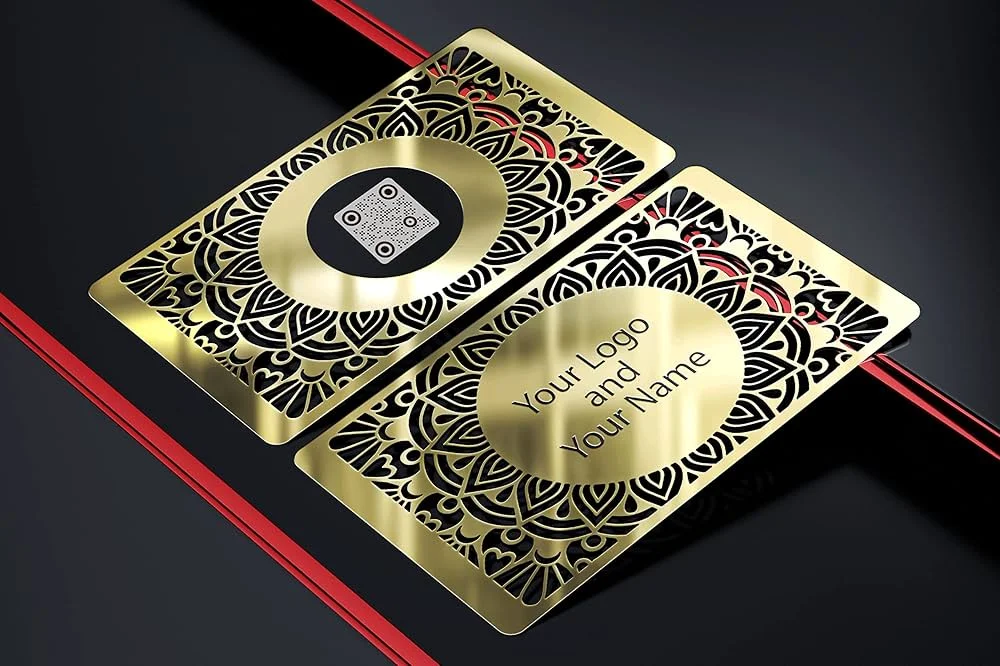
Booth design and staffing get a lot of attention in trade show planning, and rightly so. But the materials handed out at the end of a conversation deserve just as much thought, since they’re often the only physical reminder an attendee takes away. A generic paper card competing against dozens of other generic paper cards has little chance of standing out once the attendee is back home, sorting through their haul.
This is exactly the scenario premium card providers such as Metal Kards are built to address. A card with genuine weight and a distinctive finish stands apart from a stack of standard cards almost immediately, giving it a much better chance of being kept rather than discarded during the inevitable post-event cleanup. For exhibitors investing significant budget in booth space, staffing, and travel, upgrading the one physical item attendees actually walk away with is often a comparatively small additional cost with an outsized effect on follow-up rates.
Beyond the Card: Swag, Follow-Up, and Digital Capture
Cards are only one piece of a broader trade show strategy. Swag items, when chosen thoughtfully rather than as generic giveaways, can serve a similar memorability function, though they tend to be more expensive and harder to personalize per contact. Digital capture tools, such as badge scanners or lead retrieval apps, solve a different problem: ensuring contact information is reliably recorded even if a physical card exchange doesn’t happen or gets lost.
The most effective trade show strategies tend to combine multiple approaches rather than relying on any single tactic. A distinctive card increases the odds of a personal, memorable connection. Digital capture ensures no lead is lost due to a misplaced card. And a well-planned follow-up sequence, ideally sent within a few days of the event while the conversation is still fresh, converts that initial contact into an actual next step.
Measuring ROI on Premium Networking Materials
For exhibitors weighing whether premium materials are worth the added cost, it helps to think in terms of the full trade show budget rather than the cost of cards in isolation. Booth space, travel, staffing, and design typically represent the overwhelming majority of trade show spend. Against that backdrop, a modest increase in the cost of business cards is a relatively small line item, and if it meaningfully improves the odds that a lead actually gets followed up on, the return can be significant.
A useful way to think about it: if a booth generates a hundred conversations and a stronger, more memorable card increases the follow-up rate by even a small percentage, that translates directly into additional qualified leads that would have otherwise been lost in the post-event pile. Over the course of multiple events per year, that compounding effect can add up to a meaningful difference in overall trade show ROI.
Making Every Interaction Count
Trade shows represent a significant investment of time, money, and attention, and the goal of every conversation on the floor is to turn a brief interaction into a real follow-up. Materials that are actually memorable, rather than merely functional, are one of the simplest levers exhibitors have to improve those odds. In an environment defined by volume and short attention spans, standing out physically is often the difference between a lead that gets pursued and one that gets lost in the pile.
